
A Shopify store is not a marketplace that automatically takes over packaging EPR. The merchant remains responsible for mapping the seller, importer, packaging party, fulfilment arrangement and each EU destination, then verifying the applicable registration, reporting and representative steps.
Shopify is the storefront, not the producer test
Shopify states that its service is not a marketplace, that the merchant is the seller or merchant of record, and that the merchant is responsible for regulatory compliance in jurisdictions where products are offered. Under the official PPWR text, specific definitions govern manufacturer, importer, distributor, producer, end user, online platform, and fulfilment service roles. Articles 44 and 45 govern producer registration, extended producer responsibility, authorised representatives, and information checks across European Union markets.

Operating an independent online storefront using software infrastructure does not transfer statutory packaging duties away from the merchant of record to the software vendor. The approved texts do not establish that a direct web shop platform assumes producer registration or extended producer responsibility reporting on behalf of merchants. Platform terms confirm the merchant remains the entity answerable for meeting legal standards in jurisdictions where packaged goods are offered to end users.
Continue with the dedicated guide to PPWR for Shopify stores. PPWR compliance for Shopify merchants.
Map the seller and customer destination
Under the official PPWR text, producer registration and extended producer responsibility requirements attach to the distribution of packaged products to end users within each destination Member State. Articles 44 and 45 govern producer registration, authorised representation, and compliance information checks where goods are made available on a territory. The European Commission guidance interprets selected definitions including manufacturer responsibility and technical documentation without replacing Member State procedures.
A business transaction mapped solely at the corporate origin does not resolve obligations arising in the destination country where delivery occurs. The approved sources do not establish that registering in one commercial territory satisfies statutory packaging rules in another receiving Member State. Documenting the geographic destination of every commercial package is therefore a distinct compliance step from recording domestic sales within the country of initial dispatch.
Continue with the dedicated guide to marketplace packaging rules. Marketplace vs direct store obligations.
Own fulfilment, 3PL and dropshipping
The official PPWR text defines distinct statutory roles for manufacturers, distributors, importers, and fulfilment service providers handling packaged items. Shopify documentation confirms that the merchant remains the commercial seller and merchant of record responsible for regulatory compliance across all sales arrangements. European Commission guidance explains manufacturer responsibility and technical documentation parameters without altering baseline distributor obligations under European Union law.
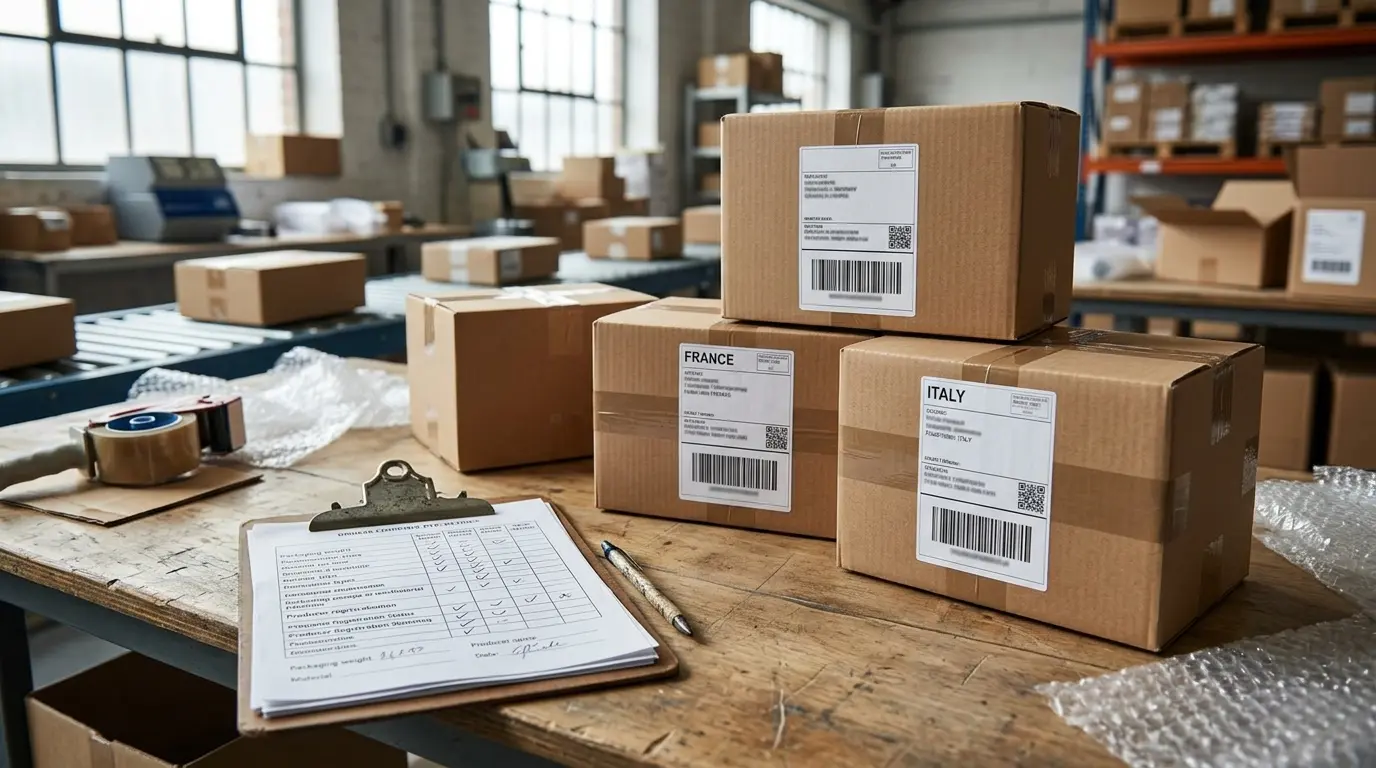
Outsourcing warehouse storage, packing, or cross-dock logistics to a third-party logistics provider does not automatically transfer producer classification to that service partner. The approved texts do not establish that dropshipping arrangements or third-party fulfilment contracts extinguish merchant compliance duties under destination rules. Determining who introduces packaging into a specific market requires reviewing the contractual flow, packaging party identity, and physical movement of goods.
Continue with the dedicated guide to packaging EPR principles. Packaging EPR overview.
Importer and packaging-party questions
The official PPWR text establishes defined roles for manufacturers, importers, and distributors placing packaging on the market, while Articles 44 and 45 govern producer registration and authorised representatives. The text specifies that micro-enterprise provisions are limited to named contexts and do not create a general exemption from packaging extended producer responsibility. Commission guidance clarifies technical documentation standards and authorised representation criteria without superseding Regulation requirements.
Sourcing goods from outside the European Union establishes an import flow where statutory importer obligations must be evaluated independently from domestic retail distribution. The approved sources do not establish that small business size or non-European incorporation eliminates packaging registration requirements. Identifying whether the merchant or the customer acts as the official importer determines which entity is evaluated under producer and authorised representative rules.
Continue with the dedicated guide to non-EU seller requirements. Selling into the EU from outside.
Country registration remains separate
Articles 44 and 45 of the PPWR establish requirements for producer registration, extended producer responsibility compliance, authorised representatives, and verification checks. Commission guidance interprets selected provisions regarding technical documentation and authorised representation but notes that it does not replace the Regulation or individual Member State administrative procedures. Each destination territory operates specific register systems under applicable European and national legal frameworks.
Completing packaging registration in a single European Union country does not create an automatic universal registration across other Member States. The approved texts do not establish a single combined European Union packaging registration that supersedes separate national registers and competent authority reporting systems. Multi-country sales distribution via a direct storefront requires evaluating statutory producer requirements in each destination where products are delivered.
Three Shopify sales-flow scenarios
The PPWR text defines manufacturer, importer, producer, and fulfilment service roles, while Shopify terms confirm the merchant is the seller responsible for regulatory compliance. In domestic dispatch, the merchant supplies end users within the same country using owned or outsourced packaging. In intra-EU cross-border sales, goods travel from one Member State to end users in another, requiring destination producer registration mapping under Articles 44 and 45.
In non-EU direct dispatch to European consumers, products enter the European Union from third countries, engaging importer, authorised representative, and producer definitions. The approved sources do not establish that any of these three operational structures are automatically covered by platform infrastructure. Each distinct distribution channel requires independent evaluation of seller identity, packaging origin, importer status, and destination-level obligations.
Destination-by-destination checklist
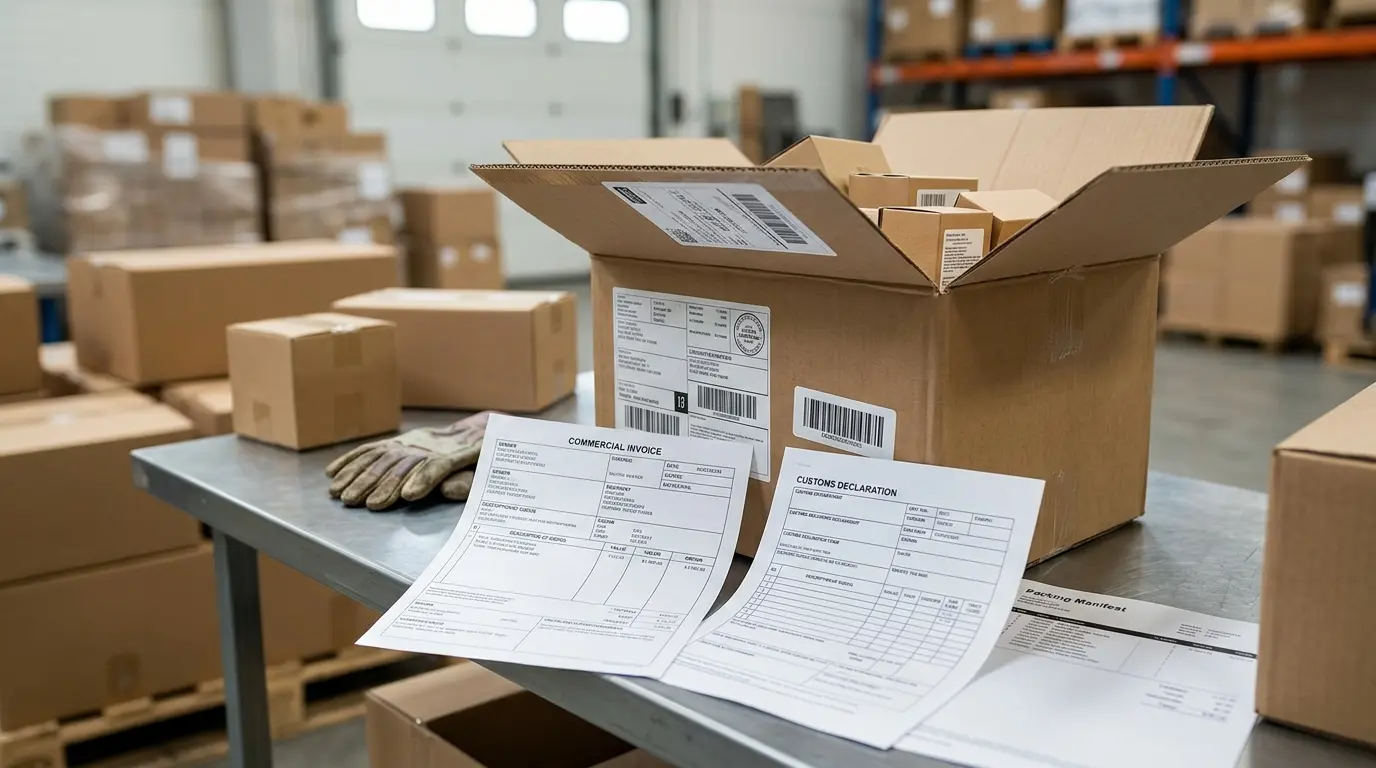
PPWR Articles 44 and 45 outline statutory requirements for producer registration, extended producer responsibility, authorised representatives, and compliance data checks across target markets. Commission guidance provides interpretation on manufacturer obligations, technical records, and representation rules without altering legal texts. Shopify merchant documentation specifies that merchants must ensure full regulatory compliance across every regional jurisdiction where their storefront offers products for sale.
Relying on software features, generic templates, or supplier assurances does not verify individual destination register status or compliance evidence. The approved texts do not establish that online compliance tools or platform dashboards serve as legally conclusive proof of compliance. Administrative verification requires comparing specific delivery destinations, contractual roles, and technical records against official destination authority registers and current European Union regulatory standards.
| Sales Arrangement | Statutory Roles Defined in PPWR | Shopify Merchant Position | Documentation & EPR Boundary |
|---|---|---|---|
| Domestic Storefront Dispatch | Manufacturer, distributor, producer, or fulfilment service provider (EU PPWR 2025/40) | Merchant is seller or merchant of record responsible for regulatory compliance | Producer registration and national EPR reporting apply under destination procedures |
| Intra-EU Cross-Border Sales | Producer placing packaged goods on destination Member State market (Articles 44 & 45) | Merchant remains responsible for regulatory compliance in jurisdictions offered | Requires destination producer registration and representation review; no single EU filing |
| Third-Country Direct Import | Importer, authorised representative, manufacturer, or producer (EU PPWR 2025/40) | Merchant is merchant of record responsible for jurisdiction-specific compliance | Authorised representative and importer documentation required; no micro-business exemption |
| Third-Party Logistics (3PL) | Fulfilment service provider and distributor definitions under PPWR | Merchant retains merchant of record role across fulfilment partnerships | 3PL handling does not automatically transfer producer EPR obligations away from merchant |
Destination Compliance Workflow
- List each destination Member State.
- Separate materially different direct, marketplace and fulfilment flows.
- Identify the contractual seller, importer, packaging party and end-user status.
- Verify the current producer register and packaging EPR procedure with the competent destination source.
- Record registration evidence, reporting periods and any third-party service separately.
- Recheck the cited official sources before acting.
- Confirm that registration and documentation align with destination requirements.
A direct ecommerce storefront establishes the merchant as the seller of record, requiring destination-by-destination verification of packaging producer obligations.
FAQ
Does Shopify automatically manage packaging EPR for its merchants?
Shopify states that it is not a marketplace and that the merchant is the seller or merchant of record responsible for regulatory compliance in jurisdictions where products are offered.
Are small Shopify stores exempt from packaging EPR under PPWR?
The official PPWR text specifies that micro-enterprise provisions are limited to named contexts and do not create a general exemption from packaging extended producer responsibility.
Does a single EPR registration cover all EU destination countries?
Articles 44 and 45 of the PPWR govern producer registration and EPR across Member States, but approved sources do not establish a single registration that replaces separate national procedures.
What role does a 3PL play in packaging EPR compliance?
The PPWR defines fulfilment service provider roles, but approved sources do not establish that hiring a third-party logistics provider automatically transfers statutory producer obligations away from the merchant.
When is an authorised representative required for a Shopify store?
Under PPWR Articles 44 and 45 and Commission guidance, authorised representatives apply to specific producer registration and compliance obligations, particularly for producers established outside the target Member State.